
By J. Heath Shatouhy
The 2026 IBEW Utility Conference wrapped up this week in San Francisco, and the agenda read like a stress test for the American grid. AI-driven data centers are driving electric demand to rise faster than utilities expected. EV infrastructure is expanding faster than transmission can support it. Over 100,000 miles of power lines are in need of modernization. Offshore wind, solar, and hydrogen: projects are now being planned and built by members of the International Brotherhood of Electrical Workers (IBEW).
The technical ambition on display was significant, but a question kept coming up throughout the conference as utility locals scale to meet this moment, are the organizations themselves keeping pace?

The Work Is There. The Pressure Is Real.
Utilities are projecting more than $1.4 trillion in grid investment over the next five years. For IBEW utility locals, that translates directly into membership growth, expanding apprentice pipelines, and local leaders managing larger and more geographically dispersed workforces than they’ve ever managed before.
The opportunity is real, and so is the organizational strain that comes with it.
When a local scales quickly, the systems that worked at a smaller size start showing their limits. This isn’t just a communication issue. It affects how locals organize, share information, and support members effectively.
What Union Leaders Are Actually Saying
The clearest signal from San Francisco didn’t come from a session; it came from the hallway conversations. Across multiple discussions with Local Business Managers and Presidents, the same frustration surfaced repeatedly: members aren’t reading emails anymore. They’re not following their local on social media. And anything sensitive: contract details, grievance updates, member-specific information, can’t be shared on a public website.
That creates a major communication challenge. These leaders aren’t struggling to craft the right message. They’re struggling to find a channel that reaches their membership with the privacy and reliability of the work demands. In an environment where federal policy fights are heating up, safety protocols need immediate dissemination, and organizing momentum has to be sustained between meetings; that gap has real consequences.
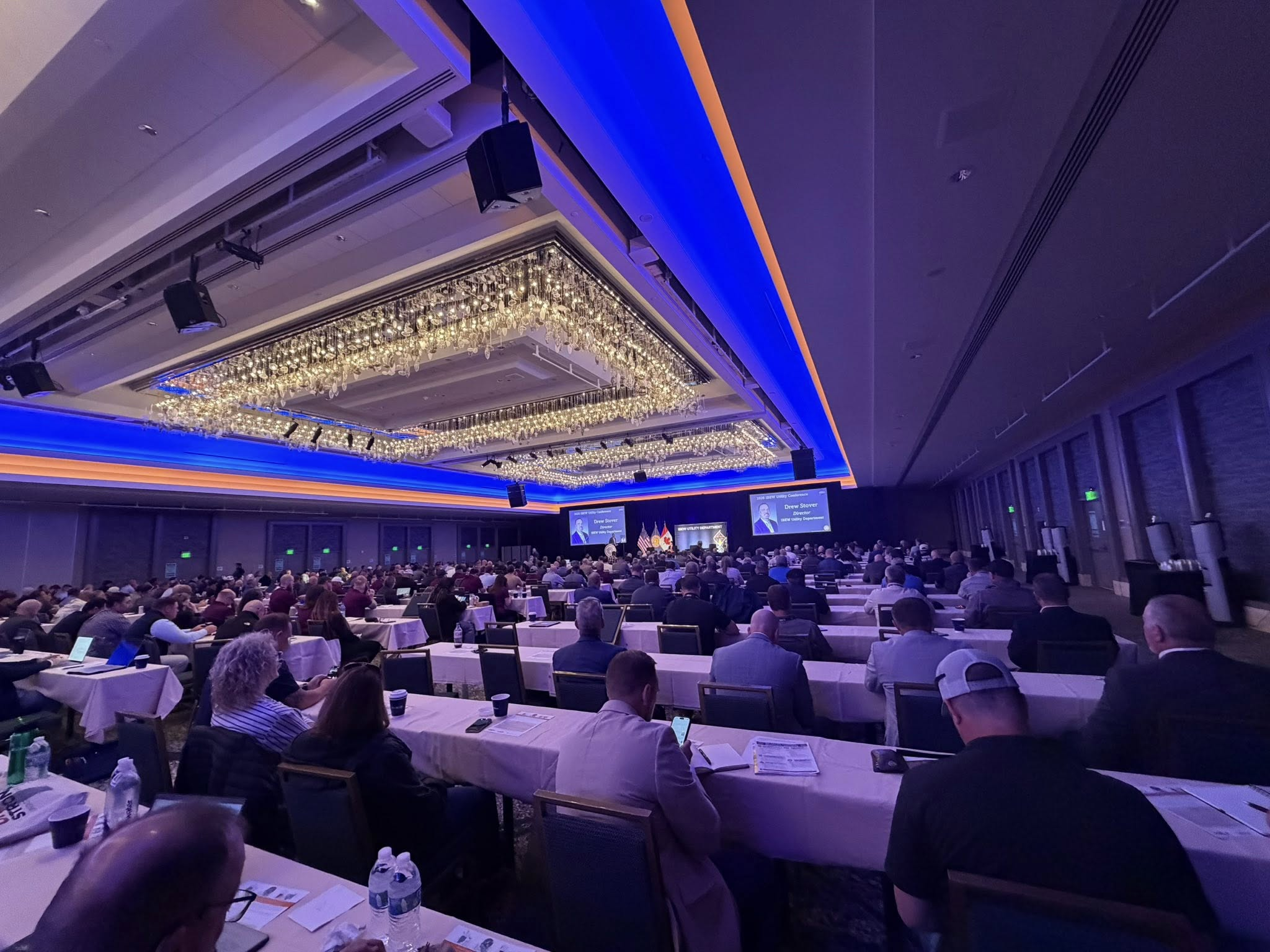 Photo Credit: IBEW Utility Conference, Danny Begley
Traditional Communication Tools Are Falling Behind
Here’s what makes that gap so frustrating: the tools available to these leaders were built for a different era and a different audience. Email was designed for inboxes people checked at a desk. Consumer social platforms were built for public audiences, not organizations with legitimate privacy requirements. Public websites can carry information, just not the information that actually matters to members day to day.
None of these tools were built for union locals. And it shows. IBEW members are deploying drone technology and integrating AI into field operations, while their organizations are trying to reach them through channels with declining engagement and limited privacy controls. That’s a mismatch worth fixing.
Better Communication Builds Stronger Locals
The locals that have found ways to reach members directly on their phones, through a dedicated and secure channel, are not just more efficient at sending announcements. They’re better organized. Members who feel consistently informed show up to meetings, engage in contract votes, and respond when leadership needs to move fast.
In a year when federal policy advocacy and organizing campaigns are front and center, that responsiveness matters.
The labor and organizing sessions this week were a reminder that the strength of a local isn’t just measured in membership numbers. It’s measured in how connected those members feel to the work the organization is doing on their behalf. Communication is how that connection gets built and maintained.
Taking It Back Home
Every conference sends people home with a list. The technical sessions on grid modernization and emerging generation will shape training programs and policy positions for months to come. But the union leaders who voiced their frustration in San Francisco this week identified something just as urgent: many members are becoming hard to reach through the communication channels they have relied on for years.
The grid is growing. The workforce is growing. Union communication systems need to grow with them. That’s exactly the problem Union Strong was built to solve.
Learn more at unionstrongapp.com